
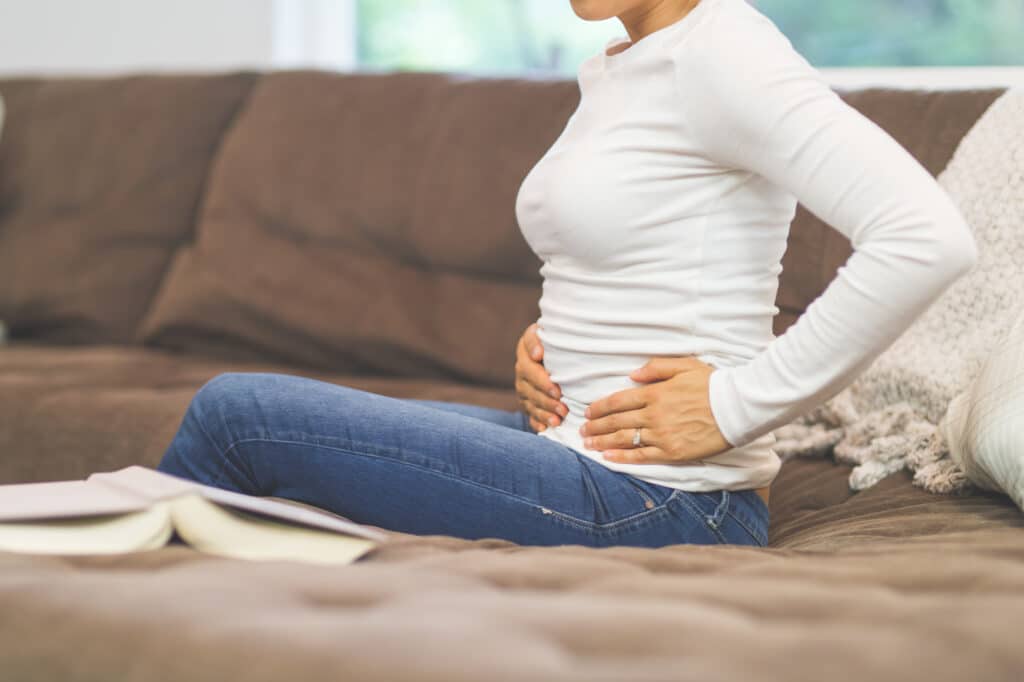
Heavy lifting can increase pressure on your abdomen, especially when you strain or hold your breath. While one heavy lift may not cause a femoral hernia, repeated or forceful straining can contribute to its development and may eventually require femoral hernia repair.
At the Hernia Institute of Louisiana in New Orleans, LA, David C. Treen, Jr., MD, FACS, brings over 30 years of experience and advanced expertise in hernia surgery. His extensive background in laparoscopic surgery and abdominal wall reconstruction supports expert care for a wide range of hernias.
How Does Heavy Lifting Affect a Femoral Hernia?
A femoral hernia develops when tissue pushes through a weak area near the femoral canal in the groin. Activities that increase pressure inside the abdomen can place additional stress on this vulnerable tissue.
Heavy lifting may contribute, especially when combined with other sources of repeated abdominal pressure, such as chronic coughing or persistent constipation. Pregnancy and obesity can also contribute to femoral hernia development.
Femoral hernias are also more common in women, partly because of differences in pelvic anatomy.
What Signs Should You Watch for After Lifting?
Groin discomfort after lifting does not always mean you have a hernia. However, it deserves attention when it persists or is accompanied by other changes.
Signs of a femoral hernia can include:
- A bulge near the groin or upper thigh
- Pain that becomes noticeable when lifting, coughing, or standing
- Pressure or aching around the groin
- A tender or increasingly uncomfortable bulge
Femoral hernias can sometimes be small and difficult to see, so imaging may be needed when symptoms occur without an obvious bulge.
Can You Keep Lifting With a Femoral Hernia?
Continuing to lift heavy objects may increase pressure around the hernia and aggravate discomfort. Don’t assume a small or mildly uncomfortable hernia is harmless.
Femoral hernias have a higher risk of becoming incarcerated or strangulated than many other hernia types. Sudden severe pain, vomiting, fever, discoloration, or a firm bulge that cannot be pushed back requires immediate medical attention.
Get Your Groin Symptoms Checked
Persistent groin pain or a new bulge after lifting is worth having evaluated. At the Hernia Institute of Louisiana, Dr. Treen can determine what is causing your symptoms and discuss femoral hernia repair when surgery is appropriate.
Call 504-218-4922 to schedule a consultation at our New Orleans and Metairie offices in LA.