
If you’ve noticed a bulge in your groin or experience pain when lifting, coughing, or standing, you might be dealing with an inguinal hernia. This common condition can become increasingly uncomfortable and may lead to serious complications if left untreated.
At the Hernia Institute of Louisiana in Metairie, Dr. Treen offers trusted, effective inguinal hernia repair using some of the most advanced methods available today.
With more than two decades of experience and leadership roles in major surgical societies, Dr. Treen is one of the region’s foremost experts in hernia repair procedures. His deep knowledge and patient-centered approach help ensure each individual receives high-quality, customized care.

One of the most important questions you have regarding your hernia repair is, “will this repair last me for the rest of my life?”
Surgeons and patients alike judge the quality of any repair technique and materials used in the repair by the percentage of recurrences, or how many of these repairs fail over time.
At the Hernia Institute of Louisiana, we have evaluated nearly every technique and every mesh product on the market. We have had one goal in mind in this process: the absolute best options to give the greatest assurance that you will never have to go through this again after a failed repair attempt.
We have identified the proper materials and techniques for all types of hernia repairs which can give you the best possible results.
Recurrence rates are published in the surgical literature.
Open inguinal repairs have a recurrence rate of between 3-5%.
Laparoscopic repairs have a recurrence rate of between 5-11%.
Robotic repairs fail between 6-15% of the time.
The repair that we used at Hernia Institute of Louisiana for the last 20+ years, the UltraPro Hernia system, has a published recurrence rate of 0-0.4%.
That’s significant.
Our recurrence rate is actually 0.02 %.
That’s as low as possible. So, if you want a repair that has the best chance of lasting a lifetime, the Hernia Institute of Louisiana has you covered.
What Is an Inguinal Hernia?
An inguinal hernia occurs when tissue, such as part of the intestine, protrudes through a weak spot in the lower abdominal wall. These hernias typically develop in the inguinal canal, which runs through the groin. Inguinal hernias are more common in men, but women can also experience them.
There are two main types:
- Indirect inguinal hernia: Can be present at birth, caused by a congenital defect but can progress over time
- Direct inguinal hernia: Develops over time due to muscle weakness

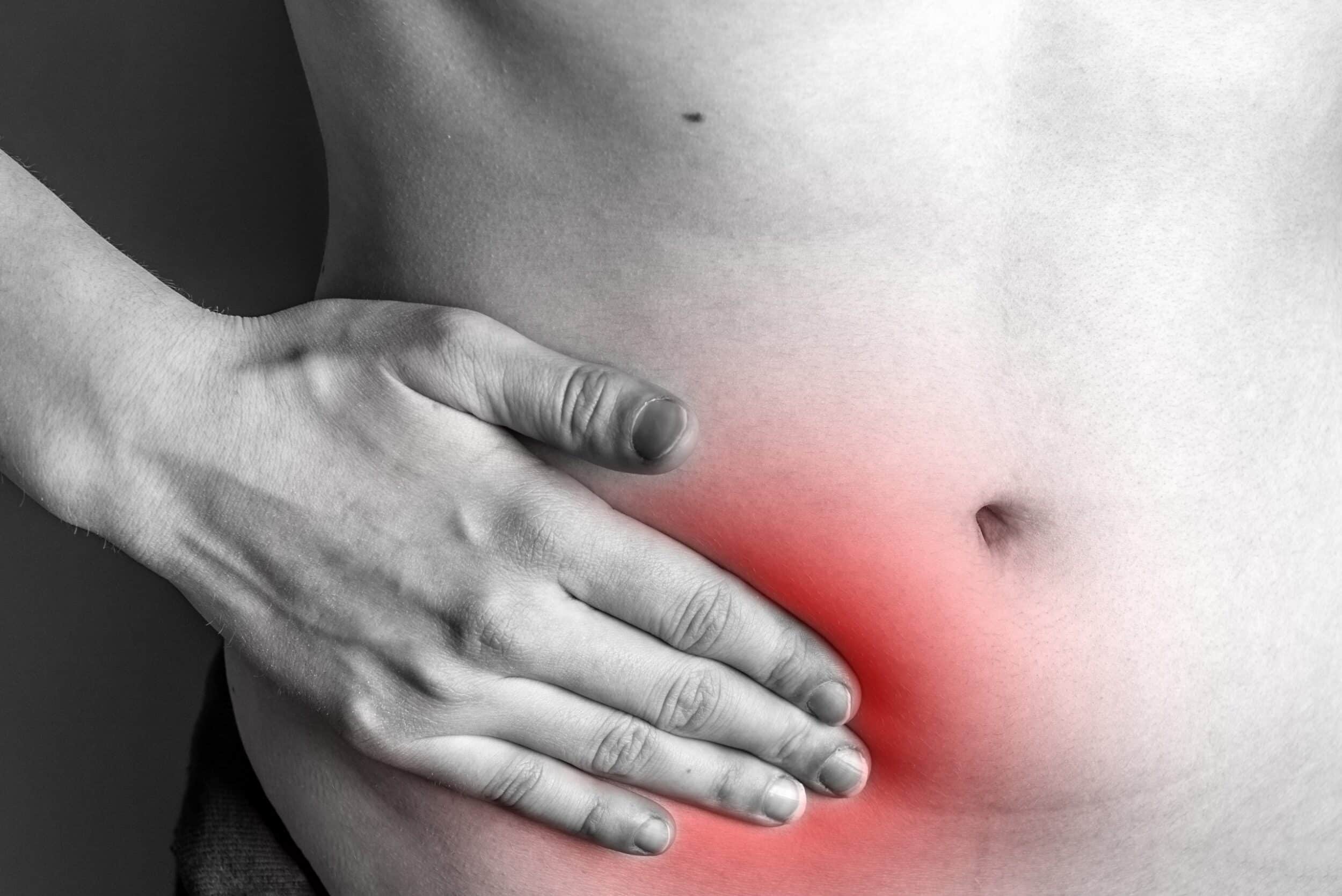
Symptoms of an Inguinal Hernia
- A visible or palpable bulge in the groin
- Groin pain or pressure, especially when bending or lifting
- A heavy or dragging sensation in the groin
- Swelling or discomfort around the testicles in men
- Sharp or worsening pain if the hernia becomes incarcerated or trapped in the inguinal canal
Without repair, inguinal hernias typically worsen over time. Prompt evaluation can prevent complications and improve outcomes.

Who Should Consider Inguinal Hernia Repair?
Not every inguinal hernia requires immediate surgery, but it is important to have any suspected hernia evaluated by an experienced surgeon. While some small hernias may cause few symptoms initially, inguinal hernias do not heal on their own and often become larger or more uncomfortable over time. Early evaluation can help determine the most appropriate treatment and may reduce the risk of future complications.
You may be a candidate for inguinal hernia repair if you experience:
- A visible or enlarging bulge in the groin
- Pain or discomfort during lifting, exercise, coughing, or prolonged standing
- A heavy, aching, or dragging sensation in the groin
- A hernia that cannot be easily pushed back into place
- Recurring symptoms that interfere with work, exercise, or other daily activities
- A recurrent inguinal hernia following a previous repair
- Warning signs of incarceration or strangulation, such as severe pain, nausea, vomiting, or a firm, tender bulge that cannot be reduced
Your age, overall health, occupation, and activity level also play an important role in determining whether surgery is recommended. For example, individuals with physically demanding jobs or active lifestyles may benefit from repairing a symptomatic hernia before it progresses and limits their daily activities.
During your consultation, Dr. Treen will perform a comprehensive evaluation, review your medical history and symptoms, and examine the hernia to determine its size and severity. He will then discuss your treatment options, answer your questions, and recommend a personalized surgical plan designed to provide lasting relief and help you return to your normal routine as safely and quickly as possible.
Inguinal Hernia Repair Options
At the Hernia Institute of Louisiana, we proudly use the PROLENE® Hernia System and the UltraPro Hernia System, which have demonstrated excellent reliability, durability, and patient satisfaction. These methods are known for their low incidence of postoperative pain and high long-term success rates. Skin closure is typically completed with DermaBond topical skin adhesive, allowing patients to shower within hours of the procedure without bulky dressings.
Our surgical team has rigorously evaluated the latest hernia repair options, and Dr. Treen has determined that these systems are the most consistently effective.

What to Expect from Surgery and Recovery
Inguinal hernia repairs are nearly always performed as outpatient procedures under general or local anesthesia, typically taking about 45 minutes. Most patients are discharged within 1–2 hours of surgery. Follow-up visits are generally scheduled within 1–2 weeks. Most patients can return to work at that time or shortly thereafter.

Why Choose the Hernia Institute of Louisiana for Inguinal Hernia Repair in Metairie, LA?
Dr. Treen’s resume includes decades of experience, board certification, academic appointments, and global recognition in hernia surgery. He has served as Chief of Surgery and Chief of Staff at West Jefferson Medical Center and currently holds a faculty position at Tulane School of Medicine. His involvement with the American Hernia Society Board of Governors further highlights his leadership in this specialty.
Since 1999, Dr. Treen has performed several thousand inguinal hernia repairs using these advanced methods—without a single recurrence. As a testament to our confidence in these techniques, we offer a 100% guarantee. If your inguinal hernia repair fails (excluding patients on chronic corticosteroid treatment or obesity), we will perform a second repair at no cost to you or your insurance provider.
Videos
FAQs
How Do I Know if My Inguinal Hernia Is Getting Worse or Becoming Dangerous?
An inguinal hernia may be worsening if the bulge becomes larger, more painful, or harder to push back into place. Increasing discomfort during daily activities, persistent aching, or a heavy sensation in the groin can also signal progression. More serious warning signs include sudden, severe pain, redness, nausea, vomiting, or a firm bulge that does not reduce when lying down.
These symptoms may indicate incarceration or strangulation, which can compromise blood flow to the intestine and require urgent care. Any sudden change in symptoms should prompt immediate medical evaluation.
Can an Inguinal Hernia Ever Heal on Its Own Without Surgery?
An inguinal hernia does not heal on its own. Once the abdominal wall weakens and tissue pushes through, the opening does not close naturally. While symptoms may fluctuate, the underlying defect remains and often enlarges over time.
Support garments or lifestyle adjustments may temporarily reduce discomfort, but they do not correct the hernia. Without repair, there is an ongoing risk of complications such as incarceration or strangulation. Surgical repair is the only way to permanently address an inguinal hernia and restore the strength of the abdominal wall.
How Much Pain Should I Expect in the Days Following Inguinal Hernia Repair?
Patients typically experience mild to moderate discomfort in the first few days after inguinal hernia repair. Sensations are often described as soreness or tightness rather than sharp pain and are usually well-managed with prescribed or over-the-counter medications. Swelling and bruising in the groin or scrotum are also common and tend to peak within the first few days before gradually improving. Many patients notice steady improvement each day and can resume light activities relatively quickly, following their surgeon’s guidance.
Will Inguinal Hernia Surgery Affect Sexual Activity, and When Is It Safe To Resume?
Inguinal hernia surgery does not permanently affect sexual function. Temporary discomfort or tightness in the groin is common during early healing and may make sexual activity uncomfortable at first. Most surgeons recommend waiting until pain has significantly improved, often about one to two weeks, before resuming sexual activity.
The key guideline is comfort — if an activity causes pain, it is best to wait a bit longer. As healing progresses, normal sexual activity can usually be resumed without long-term limitations.
When Can I Safely Drive After Inguinal Hernia Repair Surgery?
You can usually resume driving once you stop taking prescription pain medication and feel comfortable making sudden movements, such as braking. For many patients, this occurs within a few days after surgery, though recovery can vary. You should be able to sit comfortably, turn your body without pain, and react quickly in traffic.
Driving too soon can increase discomfort or pose safety risks, so it’s important to wait until you feel physically ready and have your surgeon’s approval.
Can an Inguinal Hernia Come Back After Repair, and What Increases That Risk?
Yes, an inguinal hernia can recur after repair, but recurrence is uncommon when the procedure is performed correctly using proven techniques (this is why Dr. Treen offers a 100% guarantee on his work).
Factors that may increase the risk include smoking, obesity, chronic coughing, heavy lifting too soon after surgery, and medical conditions that impair healing, such as uncontrolled diabetes or long-term steroid use. Infection or excessive strain on the repair site during recovery can also contribute.
Following post-operative instructions, avoiding strenuous activity during healing, and addressing underlying risk factors can reduce the likelihood of recurrence and support long-term surgical success.
Schedule Your Inguinal Hernia Consultation in Metairie, LA
If you suspect an inguinal hernia or have been living with groin discomfort, take the first step toward relief. Contact the Hernia Institute of Louisiana to schedule your consultation with Dr. Treen.
Located in Metairie, we proudly serve patients across the greater New Orleans area and beyond. Call us at 504-218-4922 to get started.