
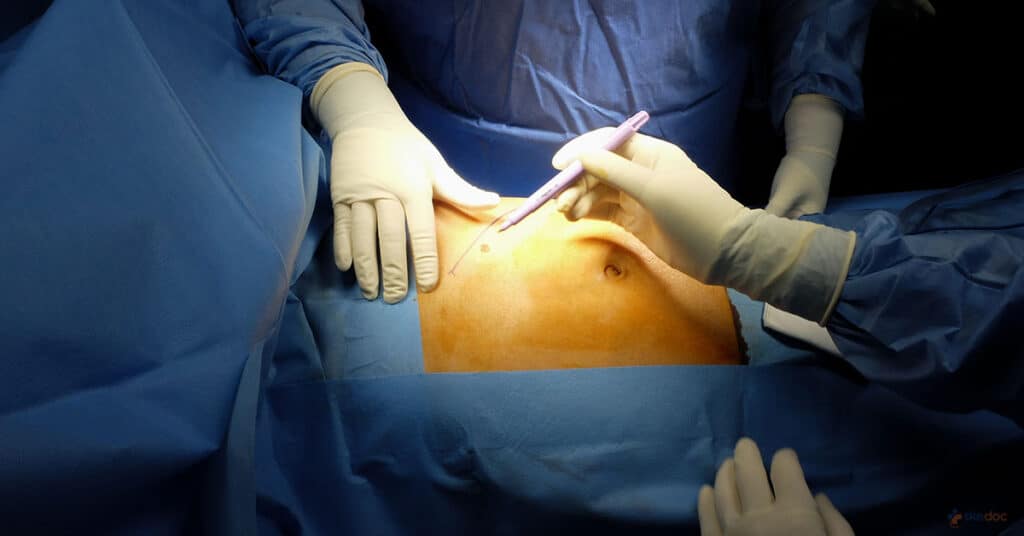
At the Hernia Institute of Louisiana, Dr. David C. Treen specializes in advanced minimally invasive general surgery, offering patients exceptional care, reduced post-operative discomfort, and accelerated recovery. Using leading-edge laparoscopic techniques, Dr. Treen performs a comprehensive range of abdominal and endocrine surgical procedures designed to help patients return to normal life quickly and safely.
Key Takeaways
Dr. David C. Treen performs a wide range of abdominal and endocrine procedures using minimally invasive and laparoscopic techniques when appropriate.
Highlights of our general surgery services include:
- Advanced laparoscopic techniques for many abdominal and endocrine procedures
- Smaller incisions that often mean less pain and reduced scarring
- Outpatient options for many procedures, with short hospital stays when needed
- Faster recovery and earlier return to normal activities for many patients
- Comprehensive care from consultation through postoperative follow-up
- Care led by David C. Treen, Jr., MD, FACS, who has more than 30 years of surgical experience
Cholecystectomy (Gallbladder Removal)
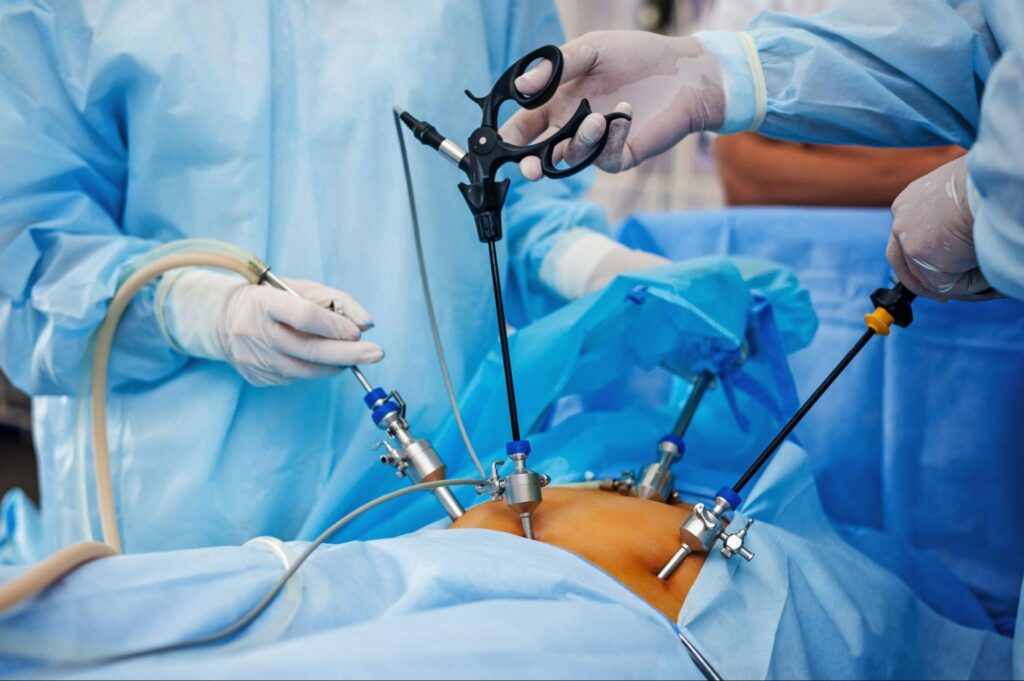
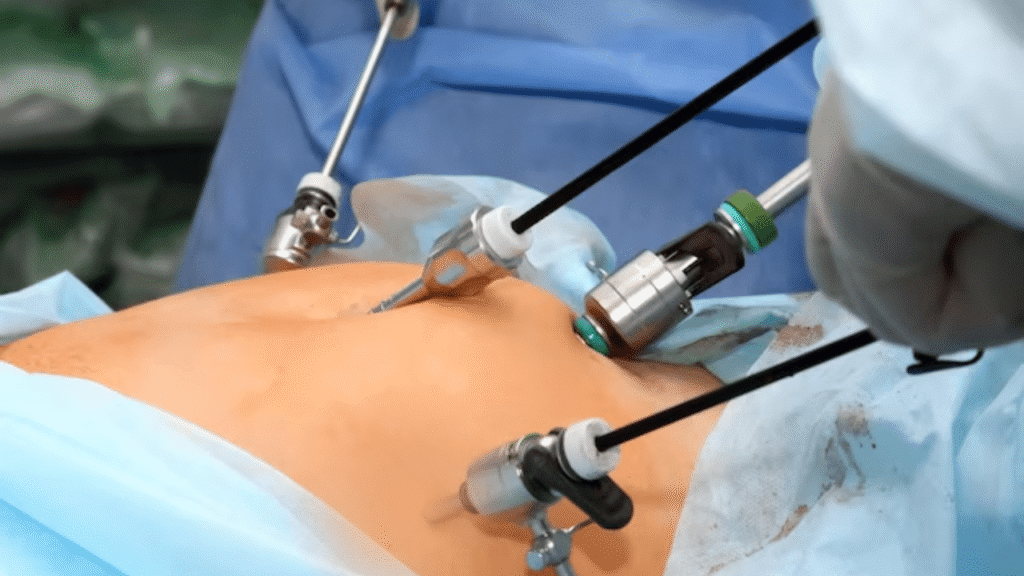
Dr. Treen performs laparoscopic cholecystectomy to safely and efficiently remove the gallbladder, most often due to gallstones or inflammation. The surgery is completed using 3–4 tiny incisions, allowing this to be an outpatient procedure with minimal discomfort. Patients can typically resume a normal diet immediately after surgery and return to work within a few days.
Gastric Surgery
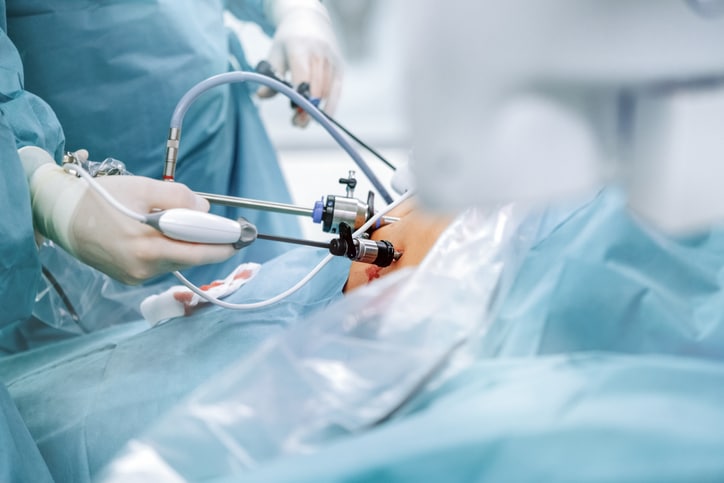
At the Hernia Institute of Louisiana, Dr. Treen offers laparoscopic gastric surgery, including partial or complete stomach removal for qualifying conditions. These procedures require approximately a 24-hour hospital stay, and patients generally transition to a normal diet within 1–2 weeks. With minimal scarring and a smooth recovery process, most individuals can return to work in about one week.
Colon Surgery
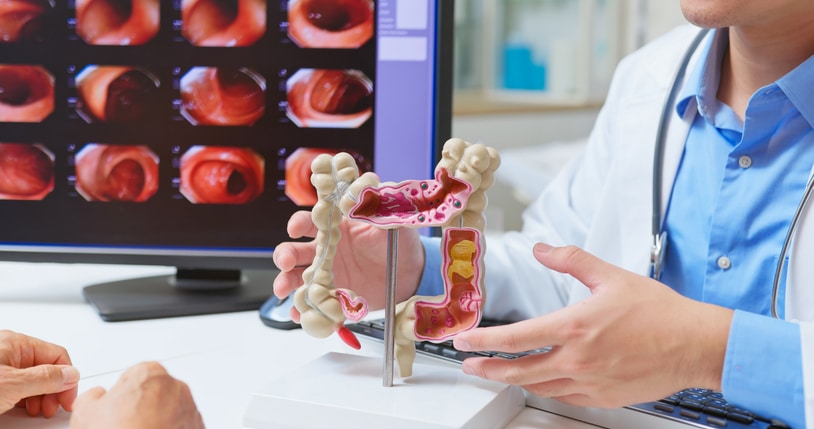
Dr. Treen performs colon resections using minimally invasive laparoscopic techniques for both partial and complete colon removal. Patients usually experience minimal scarring, require only a 1–2 day hospital stay, and can often return to work after one week. A normal diet is typically resumed within a week, depending on healing and condition.
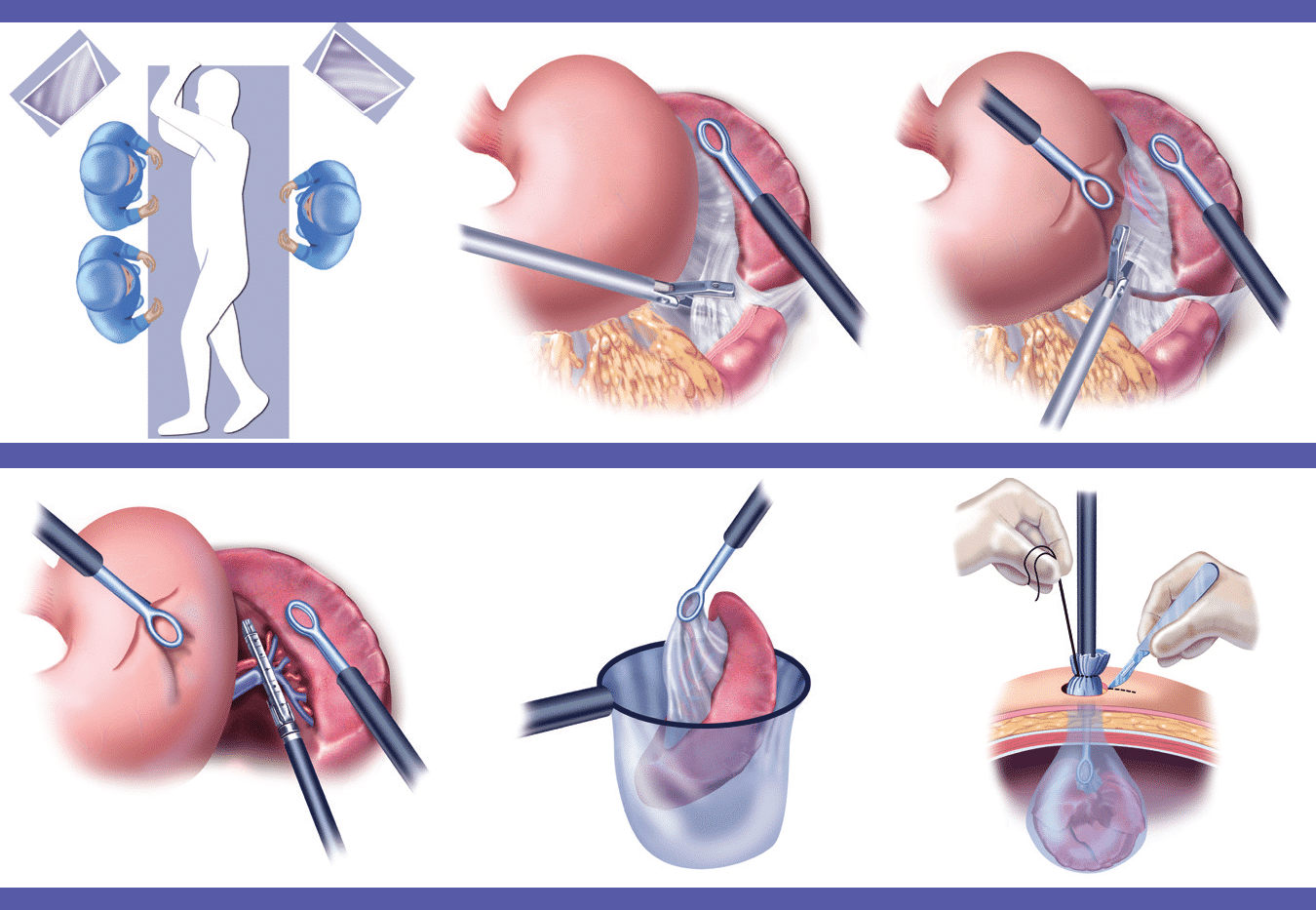
Splenectomy
Laparoscopic splenectomy at the Hernia Institute of Louisiana allows for precise surgical removal of the spleen while minimizing discomfort and downtime. This approach involves minimal scarring, a 1–2 day hospital stay, and a rapid recovery—patients may return to work within 3–5 days and resume a normal diet within 1–2 days after surgery.
Mass Removal
Dr. Treen provides expert evaluation and removal of soft-tissue masses, with each procedure customized based on the mass’s size, location, and depth. Most mass removals are outpatient procedures with minimal discomfort, and patients generally return to work within 2–5 days, depending on the treatment area.
Appendectomy

Using a minimally invasive laparoscopic approach with three tiny incisions, Dr. Treen performs appendectomy procedures designed for fast recovery and minimal pain. Patients can expect minimal discomfort, immediate return to a normal diet, and typically a 1-day hospital stay. Most are able to return to work within 2–5 days.
Thyroid Surgery
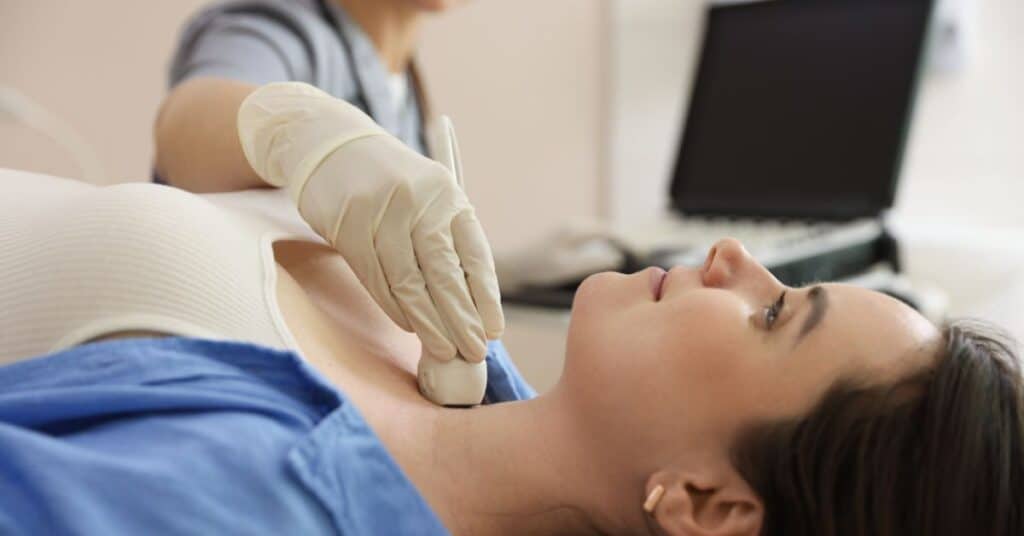
Dr. Treen offers both partial and total thyroid gland removal using modern minimally invasive techniques. These procedures are often completed on an outpatient basis, providing minimal discomfort and allowing most patients to return to work within 2–5 days.
Heller Myotomy
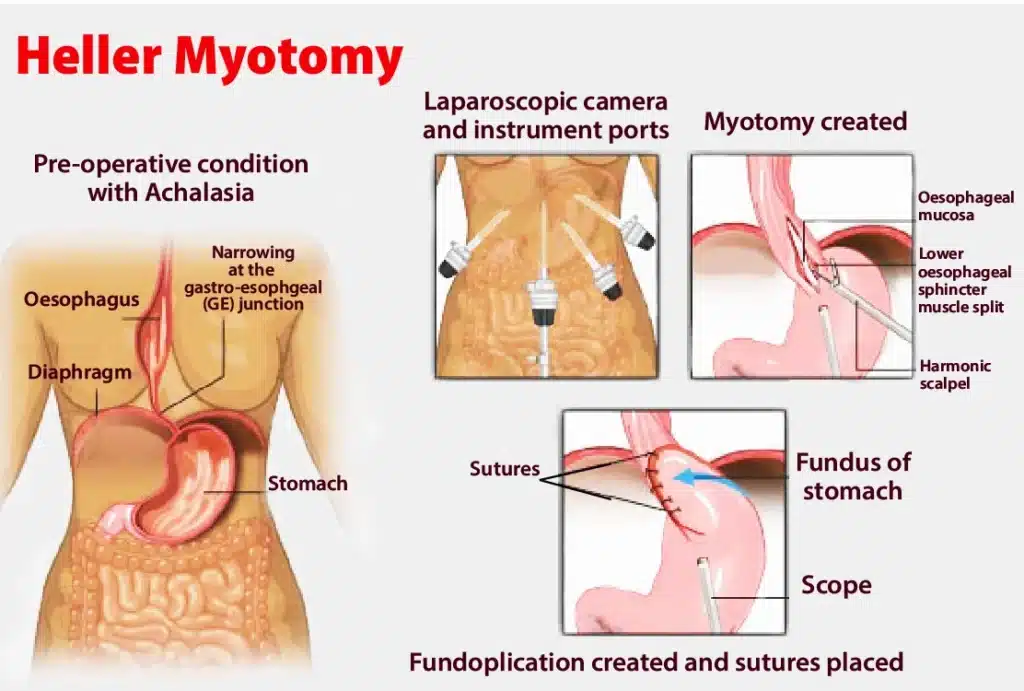
A minimally invasive Heller myotomy helps relieve swallowing difficulties associated with achalasia. Performed laparoscopically, the procedure typically requires a 1-day hospital stay. Patients follow a gradual diet progression over 1–3 weeks and are usually able to return to work within 2–5 days.
Adrenalectomy
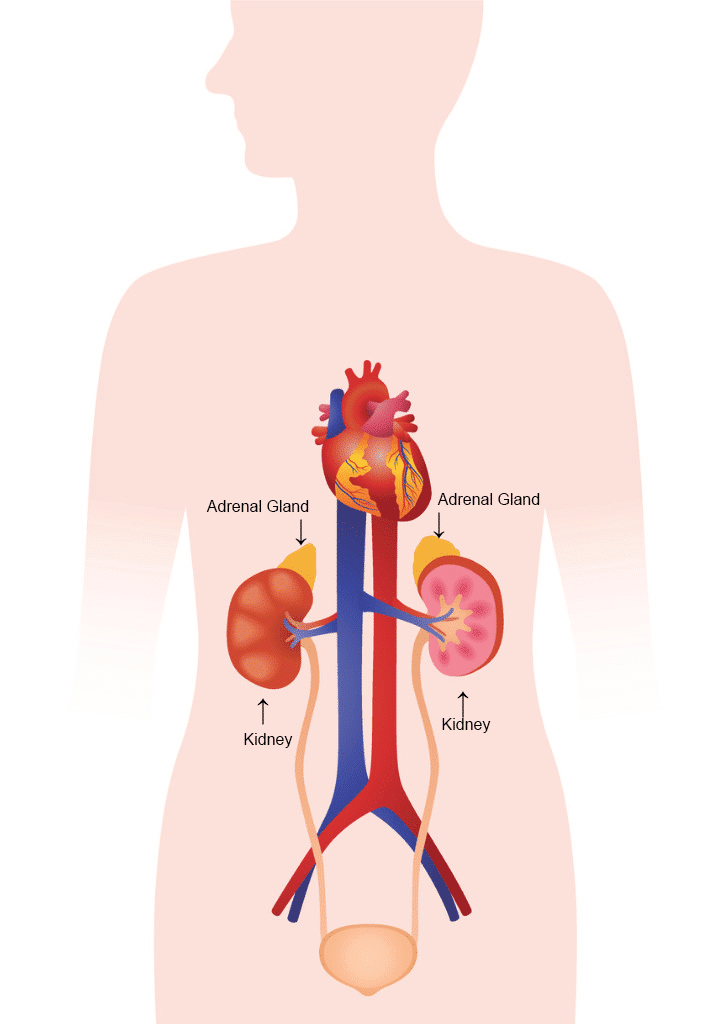
Dr. Treen performs laparoscopic adrenalectomy to remove one or both adrenal glands with precision and minimal downtime. Most patients experience a smooth recovery, including a 1-day hospital stay and the ability to resume a normal diet the next day.
General Surgery Procedures at a Glance
Here’s a quick overview of the general surgery procedures offered at the Hernia Institute of Louisiana:
| Procedure | Commonly Treats | Typical Surgical Setting | Diet After Surgery | Typical Return to Work |
| Cholecystectomy | Gallstones, gallbladder inflammation | Usually outpatient | Lower-fat foods at first, followed by a regular diet | Several days to one week |
| Gastric Surgery | Certain stomach conditions requiring partial or complete removal | Inpatient; hospital stay varies by extent of surgery | Liquids and soft foods, with gradual progression over several weeks | Several weeks or longer |
| Colon Surgery | Conditions requiring partial or complete colon removal | Inpatient | Gradual return to a regular diet | Several weeks |
| Splenectomy | Conditions requiring spleen removal | Short hospital stay | Regular diet within one to two days | Often several weeks |
| Mass Removal | Soft-tissue masses | Usually outpatient | Usually no dietary restrictions | Within several days |
| Appendectomy | Acute appendicitis | Outpatient or short hospital stay | Regular diet shortly after surgery | One to two weeks |
| Thyroid Surgery | Thyroid nodules and other thyroid conditions | Outpatient or overnight stay | Soft foods at first, followed by a regular diet | One to two weeks |
| Heller Myotomy | Achalasia | Short hospital stay | Liquids followed by soft foods over one to three weeks | Varies by recovery |
| Adrenalectomy | Adrenal gland conditions | Outpatient or short hospital stay | Usually regular diet the following day | One to two weeks |
Why Choose the Hernia Institute of Louisiana for General Surgery in New Orleans, LA?
The Hernia Institute of Louisiana is led by David C. Treen, Jr., MD, FACS, a highly respected general surgeon with more than 30 years of experience. A Tulane University School of Medicine graduate, Dr. Treen completed his surgical training at Ochsner and served as Chief Resident. He is a Fellow of the American College of Surgeons and has held multiple leadership roles, including Chief of Surgery and Chief of Staff at West Jefferson Medical Center. As Medical Director, he brings extensive expertise in advanced laparoscopic techniques. Dr. Treen is also an active educator, published author, and internationally recognized speaker in hernia repair and abdominal wall reconstruction.
What to Expect During a General Surgery Consultation
Every surgical recommendation begins with a thorough evaluation. During your consultation, Dr. Treen takes time to understand your symptoms, review your medical history, and determine whether surgery is the most appropriate treatment for your condition.
Your appointment may include:
- A discussion of your symptoms and overall health
- Review of imaging studies, laboratory results, or prior testing
- A physical examination when appropriate
- An explanation of your diagnosis and available treatment options
- Discussion of whether a minimally invasive laparoscopic approach is appropriate
- Information about expected recovery, activity restrictions, and follow-up care
- Time to ask questions and understand the benefits and potential risks of surgery
FAQs
What Are the Benefits of Laparoscopic Surgery vs. Traditional Open Surgery?
Laparoscopic procedures use small incisions and specialized instruments, which typically result in less post-operative discomfort, reduced scarring, and a decreased risk of complications compared to open surgery. Hospital stays are often shorter, and recovery times are often faster, so patients can return to normal activities sooner. This minimally invasive approach also minimizes disruption to surrounding tissues, which can support smoother healing and improved overall outcomes for many abdominal and endocrine procedures.
Will I Need to Arrange a Ride Home After Outpatient Surgery?
Yes, you must arrange for a responsible adult to drive you home after outpatient surgery. Even if the procedure is minimally invasive, anesthesia and sedation can temporarily affect your coordination, alertness, and reaction time. It’s also helpful to have someone stay with you for at least the first day to assist with basic tasks and monitor your recovery. Your care team will provide specific discharge instructions to simplify planning.
What Type of Anesthesia Is Used During These Procedures?
Most laparoscopic general surgery procedures are performed under general anesthesia, so you will be fully asleep and comfortable throughout the operation. In some cases, additional local anesthesia may be used at the incision sites to help manage post-operative discomfort. Your anesthesia team will review your medical history, explain your options, and monitor you closely during the procedure to support safety and comfort from start to finish.
What Conditions May Require Gastric Surgery, and How Do I Know if I Qualify?
Gastric surgery may be recommended for conditions such as stomach tumors, severe ulcers, bleeding, or certain functional disorders. In some cases, partial or complete stomach removal may be necessary. Whether you qualify depends on your diagnosis, overall health, and response to non-surgical treatments. A thorough evaluation, including imaging and a review of your medical history, helps determine whether surgery is appropriate and which approach will best support your recovery.
What Symptoms Indicate That an Appendectomy May Be Needed Urgently?
An urgent appendectomy is often needed when symptoms suggest acute appendicitis. Common warning signs include sudden abdominal pain that starts near the navel and shifts to the lower right side, worsening pain with movement, nausea, vomiting, fever, and loss of appetite. Some people may also experience abdominal swelling or difficulty passing gas. Because the appendix can rupture if untreated, it’s important to seek immediate medical care if these symptoms develop.
Schedule a General Surgery Consultation in New Orleans
If you’re considering minimally invasive general surgery, the Hernia Institute of Louisiana offers experienced, patient-focused care. Dr. Treen and his team are committed to helping you move forward with confidence, from your first visit through recovery. Call 504-218-4922 to speak with a team member and Schedule Consultation.