
Persistent heartburn or reflux may be more than just a dietary issue — it could be a sign of a hiatal hernia. At the Hernia Institute of Louisiana in Metairie, we specialize in diagnosing and treating hiatal hernias, helping patients find lasting relief when lifestyle changes and medications aren’t enough.
What Is a Hiatal Hernia?
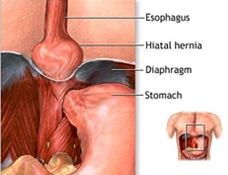
A hiatal hernia occurs when the upper part of the stomach pushes through the diaphragm into the chest cavity through a widened esophageal opening (hiatus). This opening, normally teardrop-shaped, can become dilated, allowing stomach contents to move upward, often causing or worsening symptoms of gastroesophageal reflux disease (GERD).
Hiatal hernias vary in severity. In some cases, they cause mild reflux; in others, they contribute to chronic GERD that doesn’t respond to conservative treatment.
Common Symptoms
- Frequent heartburn
- Regurgitation of food or sour liquid
- Difficulty swallowing
- Chest discomfort or pressure
- Worsening reflux symptoms when lying down or bending over
If medications and diet changes haven’t resolved these issues, surgical intervention may offer lasting relief.
Surgical Treatment for Hiatal Hernias
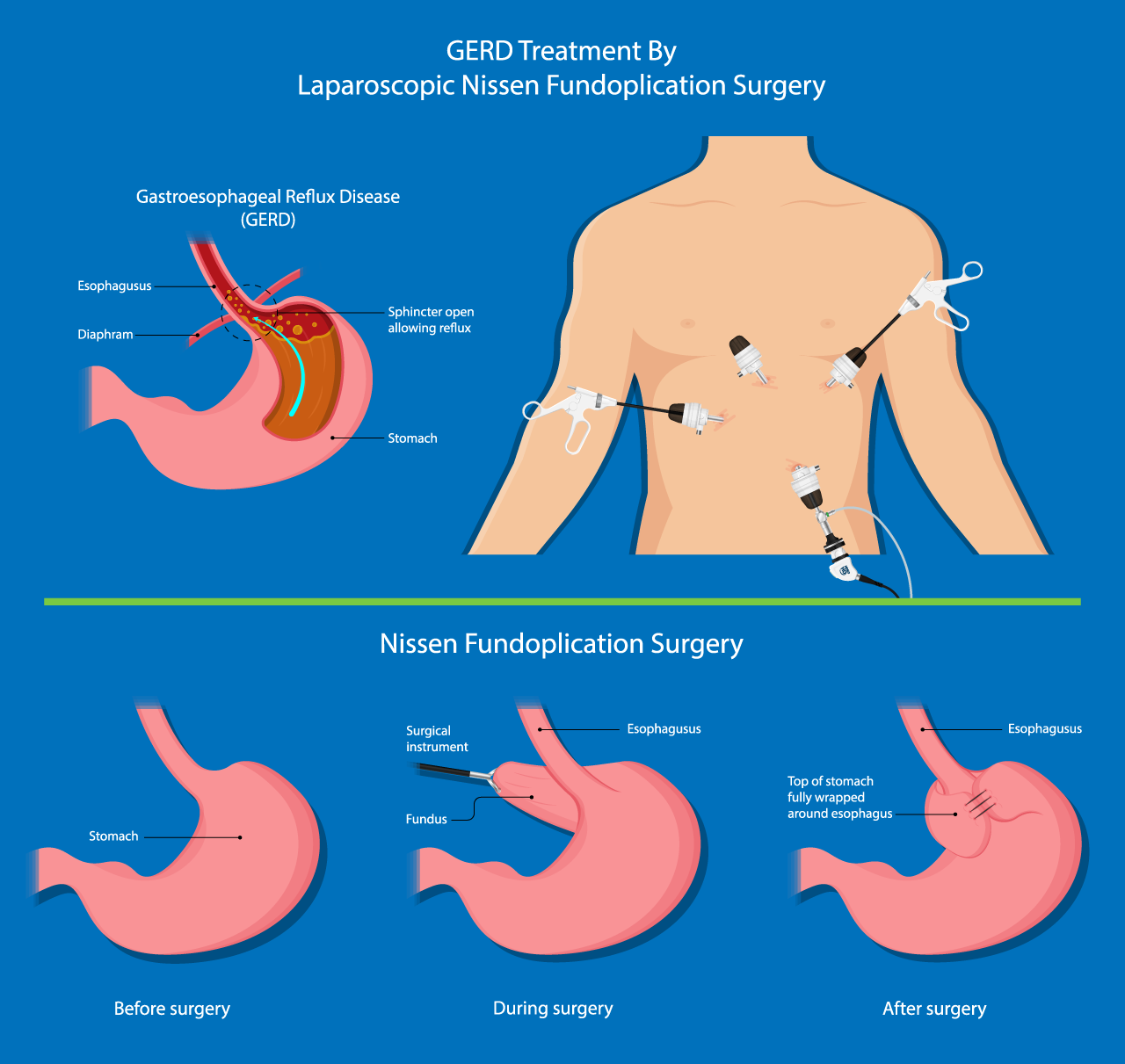
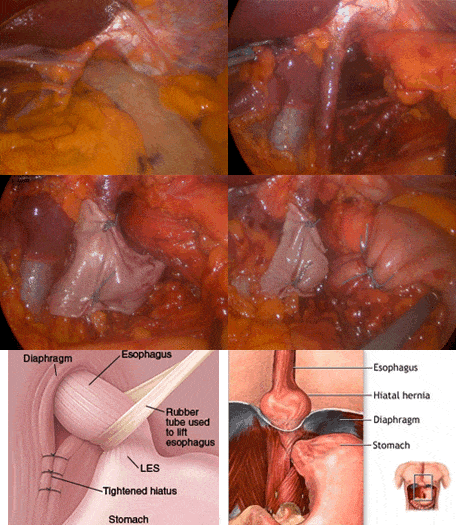
Hiatal hernia repair is typically performed laparoscopically under general anesthesia. The procedure involves reducing the hernia, tightening the diaphragm’s opening, and reinforcing the area to prevent recurrence. Most patients only require an overnight hospital stay and can return to normal activities in 5–10 days.
A major concern with traditional repairs is a high recurrence rate — studies suggest that repairs without mesh can result in recurrence in up to 25–30% of cases. While not all recurrences cause symptoms, they may eventually require revision surgery.
Advanced Mesh Options
Historically, synthetic mesh in hiatal hernia repair has been associated with complications, including erosion or scarring around the esophagus. That’s why our team uses biologic mesh when reinforcement is necessary. These biologically derived materials integrate more naturally with the body, significantly reducing the risk of mesh-related complications.

The Device: A Modern Option for GERD
For select patients with chronic reflux, the device may offer an innovative alternative to traditional repair. This small bracelet of magnetic beads is placed around the esophagus just above the stomach. It opens to allow food through and closes to prevent acid reflux.
The device:
- Is minimally invasive
- Is typically inserted as an outpatient procedure
- Allows most patients to return to daily activities quickly
Why Choose the Hernia Institute of Louisiana for Hiatal Hernia Repair?
Dr. Treen brings more than 20 years of experience in advanced surgical care, with leadership roles in national organizations and academic medicine. He is committed to providing customized treatment options for every patient based on anatomical complexity, symptom severity, and long-term outcomes.
Our advantages include:
- Expert laparoscopic surgical team
- Use of biologic mesh for safer, more effective repairs
- Access to the device when appropriate
- Personalized care focused on lasting relief
Schedule Your Hiatal Hernia Consultation in Metairie, LA
If you’ve been battling GERD or suspect a hiatal hernia, the Hernia Institute of Louisiana is here to help. Schedule a consultation with Dr. Treen to explore your treatment options. Call 504-218-4922 today and take the first step toward greater comfort.